

There was a time when I believed pressure was productivity. I thought constant stress meant I was serious about success. If I was not anxious, I assumed I was falling behind.
But over the years, through study, reflection, and practical experience, I learned something far more powerful. Real growth begins the moment we understand how to shift from scarcity to abundance mindset. Not through hype. Not through denial. But through conscious rewiring of how we see opportunity, effort, and value.
Psychologist Carol Dweck explains in her research and book Mindset that beliefs shape behavior. Leadership insights published in Harvard Business Review repeatedly show that adaptive thinking supports long term success more than fear driven urgency.
So if you are stuck in comparison, overworking, or quiet self doubt, I want you to know something clearly. You are not alone. And you are not behind. You may simply be operating from scarcity thinking.
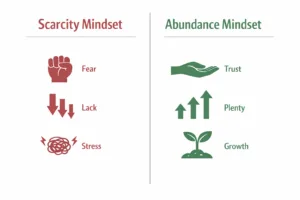
Scarcity Mindset vs Abundance Mindset
Also Read



Let us break this down honestly.
A scarcity mindset says there is never enough. Not enough money. Not enough time. Not enough opportunity. When someone else wins, it feels like proof that your window is closing.
An abundance mindset believes opportunity expands with skill, collaboration, and creativity. It does not deny competition. It simply refuses to believe that growth is limited.
Understanding scarcity mindset vs abundance mindset is the first real step toward transformation. The difference is not motivational fluff. Scarcity activates threat mode. Abundance activates possibility.
When I started consciously overcoming scarcity beliefs, I noticed my decisions became less reactive. I stopped chasing every opportunity out of fear and started choosing strategically.
Understanding Mindset Levels and Challenge Intensity
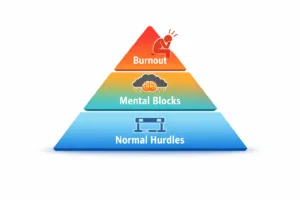
Not all challenges are equal. Recognizing intensity levels matters.
Normal Hurdles
These are everyday obstacles. Missed deadlines. Rejections. Slow growth.
These situations require patience, skill improvement, and emotional regulation. Hustling through these is healthy.
Mental Blocks
This is deeper. You work hard, yet something feels stuck. You hesitate to raise your rates. You delay launching your project. You doubt your worth.
I understand how frustrating this mindset block can be. It feels invisible but powerful. This stage often signals hidden scarcity beliefs that need conscious examination.
Here, the solution is not more effort. It is a shift to abundance thinking.
Burnout
Burnout is not laziness. The World Health Organization recognizes it as a phenomenon linked to chronic workplace stress. Symptoms include emotional exhaustion, cynicism, and reduced performance.
At this level, pushing harder creates damage. True hustlers respect energy management. Strength includes strategic recovery.
Step by Step: How to Shift From Scarcity to Abundance Mindset
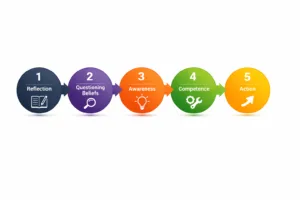
This shift requires structure.
Step 1 Identify Your Scarcity Script
Write down recurring thoughts. For example
- There is never enough money
- I am already too late
- If I slow down I will fail
- Clarity weakens fear.
Step 2 Question the Evidence
Ask yourself
- Is this belief objectively true
- What evidence contradicts it
- Who succeeded from similar circumstances
Cognitive reframing is widely used in psychology and coaching because it works. It trains the brain to examine assumptions rather than obey them.
Step 3 Practice Abundance Mindset Exercises
Some exercises that helped me significantly include
- Daily gratitude journaling
- Tracking progress weekly
- Celebrating others’ success
- Investing consistently in learning
These abundance mindset exercises gradually rewire attention. You begin to notice growth instead of limitation.
Step 4 Develop Abundance Mentality Through Competence
Confidence grows with capability.
In his work, including the book Awaken the Giant Within, Tony Robbins emphasizes personal responsibility and skill expansion. The principle is simple. Expand your ability and your perception of possibility expands too.
When you develop abundance mentality through skill building, fear reduces naturally.
Step 5 Letting Go of Scarcity Thinking Through Action
Scarcity survives in hesitation.
Apply for bigger roles. Increase your rates when justified. Share your ideas publicly. Build partnerships instead of guarding territory.
Letting go of scarcity thinking is less about affirmation and more about courageous action.
What to Do and What Not to Do to Build Resilience
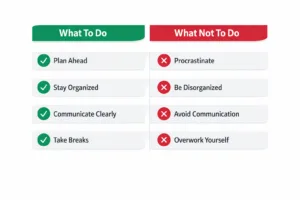
Building resilience requires balance.
What to do
- Schedule recovery time
- Seek mentorship
- Track small wins
- Create prosperity mindset habits like saving and investing
- Continue learning consistently
What not to do
- Glorify exhaustion
- Compare obsessively
- Isolate yourself
- Ignore emotional fatigue
- Use overwork to suppress anxiety
Resilience grows from intelligent structure, not self punishment.
Common Mindset Traps and What They Indicate
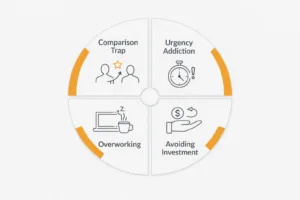
Comparison trap often indicates insecurity or unclear goals.
Urgency addiction signals fear of irrelevance.
Overworking to prove worth shows identity tied too tightly to productivity.
Avoiding investment in yourself reflects lingering scarcity mindset vs abundance mindset confusion.
When you notice these traps, pause. Ask what belief is driving them.
When Not to Push Through
There are moments when hustling becomes harmful.
Stop and seek professional help if you experience persistent insomnia, panic attacks, depressive symptoms, emotional numbness, or thoughts of self harm.
Therapists and licensed counselors are trained for this. Coaching can help with strategy. Therapy addresses mental health. Ignoring warning signs can lead to long term burnout and anxiety complications.
Strength includes knowing when to pause.
Common Misconceptions About Hustler Mindset
Misconception one Hustle means never resting
Research on performance consistently shows recovery improves output. Rest is strategic.
Misconception two Abundance thinking is naive
Abundance thinking is not blind optimism. It is strategic growth orientation.
Misconception three Scarcity drives success
Fear can trigger action short term. It cannot sustain high performance long term.
Misconception four Only privileged people can develop abundance
Circumstances matter. But mindset influences response. Growth begins internally even when resources are limited.
Recovery Timeline and What to Expect
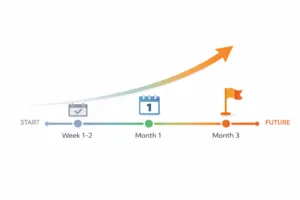
Mindset shifts take time.
In the first two weeks, resistance often increases. Scarcity thoughts may feel louder.
Within the first month, emotional reactivity usually decreases if you apply consistent reflection and action.
By three months, many people report more calculated confidence and reduced fear driven decisions.
If scarcity thinking remains untreated, it can harden into chronic stress patterns, burnout cycles, and self sabotage habits. Early intervention creates faster recovery.
Emotional Truth
If you feel behind, exhausted, or quietly discouraged, I want to say this clearly. I understand. I have been there.
Growth is rarely linear. Doubt does not mean failure. It often means expansion.
Learning how to shift from scarcity to abundance mindset changed the way I approach money, relationships, learning, and ambition. It did not remove effort. It removed panic.
You are not broken. You are adjusting.
Prosperity Mindset Habits That Sustain Success
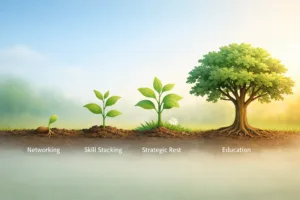
- Intentional networking
- Skill stacking
- Long term planning
- Strategic rest
- Continuous education
These prosperity mindset habits compound quietly over time. Abundance becomes a lifestyle rather than a slogan.
My Personal Experience With Shifting From Scarcity to Abundance
When I first started working on how to shift from scarcity to abundance mindset, I assumed it would be a quick mental upgrade. I thought I would read a few pages of Mindset by Carol Dweck, write down some goals, and suddenly feel unstoppable. Reality was humbling. My scarcity mindset was subtle. It showed up in small reactions, like feeling uneasy when someone in my field succeeded or hesitating before investing in my own growth.
What surprised me most was how quiet those beliefs were. They did not shout. They whispered practical excuses. I told myself I was being realistic, not fearful. That was the turning point. Once I began tracking those thoughts honestly, I could start overcoming scarcity beliefs with structured reflection and action.
The biggest insight I gained is this. Abundance is not loud confidence. It is calm clarity. It is choosing progress over panic. I still face challenges, but I no longer interpret every obstacle as proof of limitation. That shift alone changed how I hustle, how I rest, and how I grow.
Submit Your Story
If you have worked through scarcity thinking and built abundance awareness, share your story. Real experiences create connection. They also help others see what transformation looks like in practical terms.
Growth multiplies when shared honestly.
How This Article Was Created
This article was created using established psychological principles, growth mindset research from Carol Dweck, leadership and performance insights from Harvard Business Review, and practical frameworks discussed by Tony Robbins.
No fake statistics or exaggerated claims were included. The guidance reflects expert backed cognitive reframing techniques, burnout awareness guidelines from recognized health authorities, and widely respected self improvement literature.
The goal is sustainable transformation built on credible insight, not motivational noise.
Final Thought
Abundance is not about pretending there is unlimited opportunity. It is about believing you can expand your capability within real constraints.
- Hustle intelligently.
- Recover intentionally.
- Grow consistently.
That is the real shift.

She is Founder and Editor-in-Chief of Hustler.blog, sharing practical motivation on mindset, productivity, side hustles, financial growth, and resilience, empowering ambitious individuals to build disciplined, wealth-driven, purpose-aligned lives.
