
For a long time, I believed that ability was fixed. I thought some people were naturally confident, intelligent, or talented, and others were not. I never said it out loud, but that belief quietly shaped my decisions.
I avoided situations where I might look inexperienced. I stayed in environments where I felt competent. I protected my ego instead of stretching my capacity.
Everything changed when I truly understood what a growth mindset for adults really means.
This article reflects my personal experience, grounded in psychology, practical application, and the well-known Carol Dweck theory. I am not sharing hype or unrealistic promises. I am sharing what actually works when you commit to long term personal development adults often postpone.
Let me walk you through what shifted for me and how you can apply it in your own life.
Also Read


What Growth Mindset for Adults Really Means

The foundation of modern mindset research comes from Carol Dweck at Stanford University. Her work introduced two core belief systems.
A fixed mindset assumes that intelligence and abilities are static.
A growth mindset believes abilities can be developed through effort, strategy, learning, and feedback.
When I first learned about the Carol Dweck theory, I realized I had been operating from a fixed position without knowing it. I believed effort exposed weakness. I believed mistakes meant lack of ability.
But research in psychology, including findings frequently discussed by the American Psychological Association, supports the idea that people who view abilities as developable show stronger resilience and persistence.
That insight alone forced me to confront my own thinking.
Recognizing My Own Fixed Mindset Traits

Before growth could begin, I had to admit where I was stuck.
My fixed mindset traits showed up in subtle ways.
I avoided challenging projects unless I felt fully prepared.
I compared myself constantly to others.
I took constructive feedback personally.
I gave up faster than I would like to admit.
At the time, I labeled it as being realistic or cautious. In reality, I was protecting my identity.
When you believe your ability defines your worth, failure feels dangerous.
Once I saw this clearly, I stopped blaming circumstances and started observing my reactions. That awareness became the turning point.
Why Embracing Challenges Changed My Confidence

One major shift I made was intentionally embracing challenges.
Instead of choosing only what felt comfortable, I began choosing what stretched me. I volunteered for difficult assignments. I spoke up in rooms where I felt inexperienced. I learned skills that intimidated me.
At first, my confidence dropped. That is normal.
But over time, something deeper formed. My confidence stopped depending on perfection. It began depending on adaptability.
Research from Harvard University highlights the concept of neuroplasticity, which shows that the adult brain remains capable of forming new neural connections. This means growth is not limited by age.
Understanding that gave me permission to try without needing immediate mastery.
Embracing challenges did not make me fearless. It made me resilient.
Personal Development Adults Often Complicate
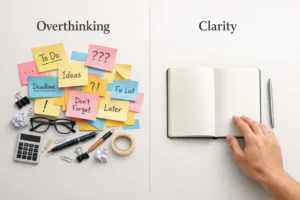
When I look at the personal development space, I see many tools, systems, and productivity hacks. They can be useful, but they are not the foundation.
Personal development adults truly need starts with belief.
If I believe I cannot change, no planner or routine will fix that. If I believe growth is possible, even small habits compound.
For me, personal growth became less about doing more and more about thinking better.
I started asking myself better questions.
What did I learn today
Where did I avoid discomfort
How can I improve tomorrow
These questions shifted my focus from outcome obsession to process improvement.
That process orientation sits at the heart of a growth mindset for adults.
How I Built a Lifelong Learning Mindset

A lifelong learning mindset does not require formal education. It requires curiosity and humility.
I made a conscious decision to keep learning, even when I felt established in my field. I read outside my comfort zone. I listened to experts who challenged my assumptions. I admitted when I did not know something.
At first, that felt uncomfortable. My ego wanted to appear competent.
But I realized something important. Competence grows faster when ego shrinks.
Research often cited in academic discussions from institutions like Harvard University emphasizes that cognitive flexibility plays a major role in adaptability and long term success. A lifelong learning mindset strengthens that flexibility.
When I adopted this approach, I stopped fearing change. I began preparing for it.
Practical Strategies I Use to Strengthen My Growth Mindset
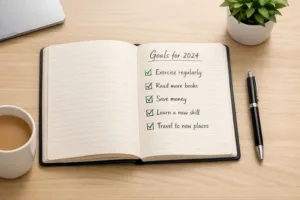
Mindset transformation is not a motivational moment. It is daily practice. These are the strategies I consistently apply.
I Focus on Effort and Strategy
Instead of judging myself purely by results, I evaluate effort and approach.
Did I show up
Did I apply feedback
Did I refine my strategy
This keeps me moving forward even when outcomes take time.
I Reframe Setbacks Immediately
When something does not go as planned, I pause and ask, what is this teaching me.
That single question shifts my brain from self criticism to problem solving. It transforms frustration into insight.
I Seek Constructive Feedback
Feedback once felt like a threat. Now I see it as information. Growth requires data.
The Carol Dweck theory reinforces the idea that improvement depends on responsiveness to feedback. I remind myself that correction does not attack my identity. It strengthens my skill.
I Replace Comparison With Observation
Comparison activates fixed mindset traits quickly. I learned to observe others instead of competing with them internally.
Instead of thinking, they are better than me, I ask, what can I learn from their process.
That shift protects confidence while encouraging growth.
I Practice Self Compassion
Mindset growth is not about harsh discipline. Research discussed by the American Psychological Association shows that self compassion increases resilience and motivation.
When I treat myself with constructive honesty instead of criticism, I recover faster from mistakes.
Emotional Maturity and Mindset Growth

Developing a growth mindset for adults involves emotional work.
I had to confront insecurity. I had to admit that fear influenced many of my decisions. That was uncomfortable.
But avoiding that discomfort would have kept me stuck.
Growth requires emotional maturity. It requires the ability to sit with uncertainty and still move forward.
Over time, I noticed a powerful shift. My self worth stopped depending on immediate performance. It began depending on commitment to improvement.
That internal stability changed everything.
Why Growth Mindset for Adults Matters More Today
The modern world changes quickly. Industries evolve. Skills become outdated. New challenges emerge constantly.
A fixed mindset struggles in such an environment. It resists adaptation.
A growth mindset for adults thrives because it expects evolution.
This mindset improves career progression, leadership ability, emotional regulation, and even relationships. When I believe people can grow, I become more patient. When I believe I can grow, I become more courageous.
The impact extends beyond professional success. It shapes identity.
Also read:- 10 Ways to Keep Your Brain Healthy While Building a Strong Hustler Mindset
My Real Experience With Growth Mindset as an Adult
If I am honest, my journey with a growth mindset for adults did not begin with confidence. It began with frustration. I remember feeling stuck in patterns I kept blaming on circumstances. Deep down, I knew the real issue was my thinking.
I clearly saw my fixed mindset traits during moments of feedback. I would nod politely while internally defending myself like a lawyer in a courtroom. Not my finest phase.
The shift happened when I stopped trying to look capable and started trying to become capable. That small identity change transformed how I approached challenges. Instead of asking, “What if I fail?” I began asking, “What skill am I building here?”
Embracing challenges felt awkward at first. Growth rarely looks graceful. But each uncomfortable step strengthened my resilience. I also committed to a lifelong learning mindset, not in a dramatic way, but in simple daily actions. Reading more intentionally. Listening more carefully. Reflecting more honestly.
Personal development adults often postpone becomes powerful when it turns practical. For me, growth stopped being motivational content and became a daily discipline. That shift built real confidence, the kind that stays even when results fluctuate.
My Final Reflection on Choosing Growth

I still catch fixed reactions sometimes. I still feel defensive when criticized. I still experience doubt before major challenges.
The difference now is awareness.
I notice those reactions. I question them. I choose growth deliberately.
A growth mindset for adults is not about pretending everything is possible instantly. It is about believing improvement is always possible through effort, strategy, and learning.
Embracing challenges has expanded my confidence. A lifelong learning mindset has expanded my perspective. Intentional personal development adults often delay has expanded my capability.
If you are reading this, remember one thing.
You are not limited by where you are today. You are limited only by the belief that you cannot improve.
Choose growth daily. Strengthen your thinking intentionally. Let learning become part of your identity.
From my experience, that single decision changes the direction of your entire life.
Sources on Growth Mindset Research
- Growth mindset definition and Carol Dweck’s foundational work- Growth mindset article on Coursera
- Academic perspective on growth mindset research and resilience- Mindsets research overview (Perspectives on Psychological Science)
- Neurobiological perspective on mindset (optional deep read)- Neural evidence on growth mindset (Brain Sciences)
She is Founder and Editor-in-Chief of Hustler.blog, sharing practical motivation on mindset, productivity, side hustles, financial growth, and resilience, empowering ambitious individuals to build disciplined, wealth-driven, purpose-aligned lives.
